
 10 Mins Read
Best AI Chatbot For B2B Websites: 8 Tools Compared
This guide compares eight AI chatbots for B2B websites on one measure: how well each one turns a website visitor...

| Quick summary Should you put a person or an AI behind your website chat? This guide compares AI chatbot vs. live chat on speed, cost, coverage, lead quality, and trust. You will see when each one wins, why the best answer is often both, and how to choose for your business. |
It is 9:47 pm. A visitor is on your pricing page, comparing you with two competitors. She types a question into your chat box.
If your chat runs on people, nobody is there. If it runs on AI, she gets an answer in seconds, shares her work email and books a call for the morning.
That one moment is the heart of the AI chatbot vs live chat debate. But it is not the whole story. People win in some moments too. Let’s look at both sides fairly, so you can pick what fits.
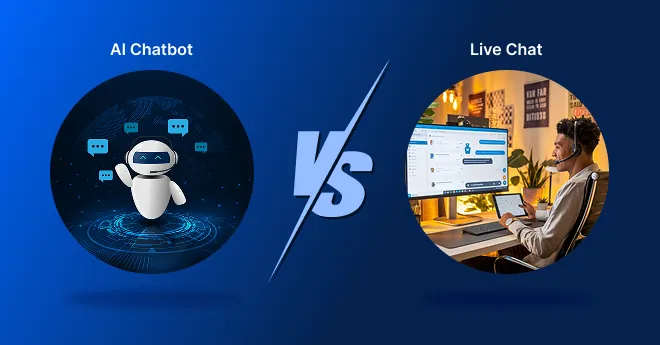
Live chat connects website visitors with a real person, usually during working hours. An AI chatbot answers automatically, at any hour, using knowledge you give it.
Both sit in the same chat box, so visitors may not notice the difference at first. Behind the scenes, they work very differently.
How does live chat work?
A team member watches for messages and types replies. It feels personal and flexible. But it depends on staff being online, and one person can only handle a few chats at a time.
How does an AI chatbot work?
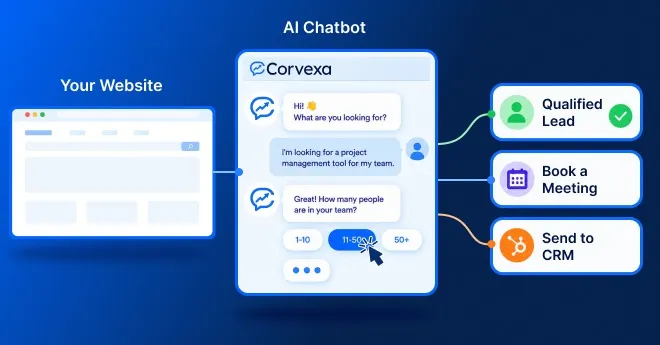
The AI reads your website, PDFs, and approved answers, then replies to visitors in natural language. A lead-focused AI chatbot also notices buying signals, asks a few smart questions, and scores the lead.
Here is a side-by-side view of AI chatbots vs live chat for websites, focused on lead generation.
| What matters | Live chat | AI chatbot |
| Availability | Only when staff are online | 24/7, including nights and weekends |
| First reply speed | Seconds to minutes, depending on staffing | Within seconds, every time |
| Many visitors at once | Limited by agents | Handles many chats in parallel |
| Complex or sensitive talks | Strong, with empathy and judgment | Needs a human handoff |
| Consistency | Varies by agent and mood | Same approved answers each time |
| Cost as traffic grows | Rises with more staff hours | Rises slowly |
| Lead scoring | Manual, from notes | Automatic, from intent signals |
| Tip Do not read this table as “AI always wins.” Two rows favor people, and those two often matter most on your biggest deals. |
Because buyers move fast and forget faster. Tidio’s own data puts the average live chat response time at 1 minute and 35 seconds. That is quick compared with email, but a visitor deciding whether to stay is not waiting that long.
Speed matters even more for leads. Harvard Business Review analyzed 1.25 million leads and found that firms who contacted people within an hour were nearly seven times as likely to qualify the lead as those who waited even one hour longer.
Live chat is not going away, and it should not. There are moments when a real person is simply better.
High-value or complex deals
When a visitor asks about custom pricing, security reviews or unusual requirements, a skilled rep can read the situation and adapt. Trust is built person to person.
Emotional or sensitive moments
A frustrated buyer or a worried customer wants to feel heard. Empathy is still a human strength.
Negotiation and closing
Discounts, contract terms and creative solutions need judgment that only people have
AI wins where scale, speed and consistency matter. That describes most first conversations on a website.
After hours and across time zones
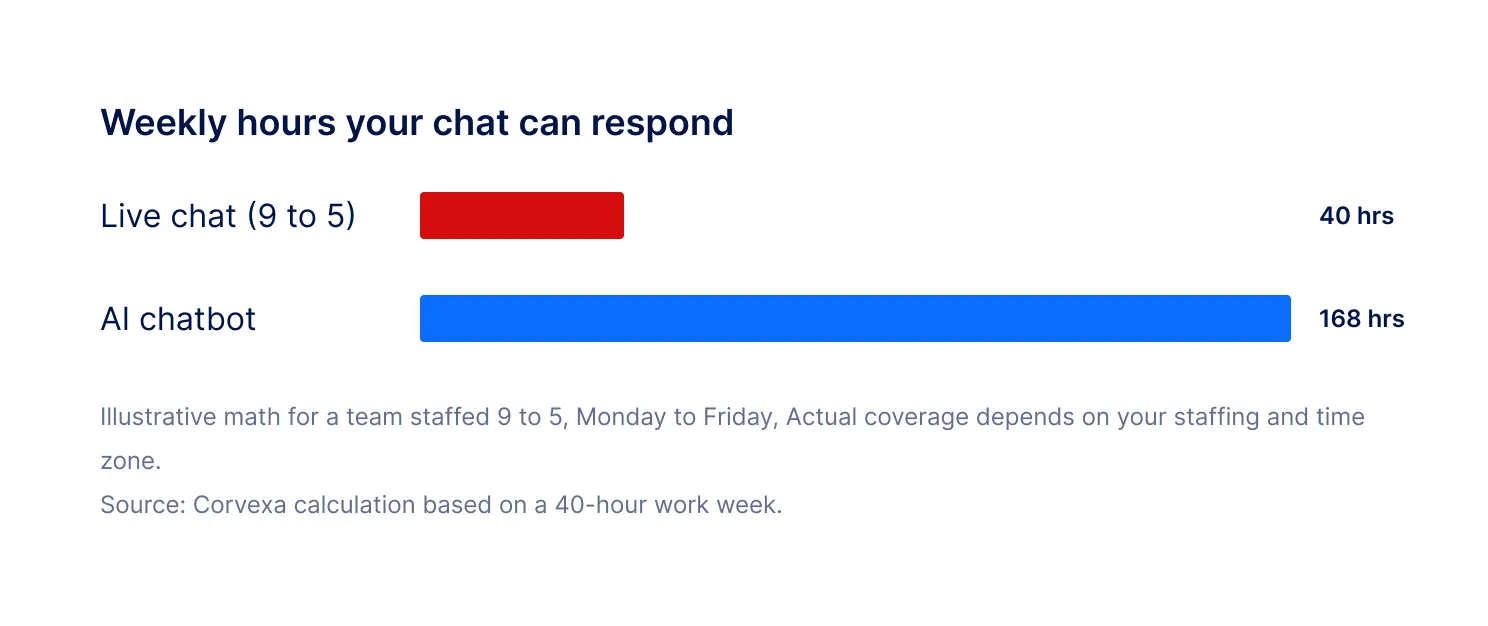
A team working nine to five, five days a week, covers just 40 of the 168 hours in a week. That is about 24%. The other 76% of the time, visitors meet an empty chat box.
First-pass questions
Many visitors ask the same things: pricing, integrations, setup time. An AI agent trained on your content answers these instantly and consistently, which frees your team for real conversations.
Lead capture and scoring
A good AI chatbot collects name, work email, phone, interest and preferred follow-up time inside the chat. It then scores the lead High, Medium or Low, so reps know who to call first.
For most B2B websites, the best answer to the AI chatbot or live chat question is both. AI handles the first conversation. People step in when it counts. This is often called a hybrid setup.
Here is how one visitor moves through it.
It answers questions from your own content, at any hour.
Budget, timeline and needs come out naturally, not through a form.
Pricing questions and buying phrases like “book a demo” mark a lead as High.
Hot leads trigger an instant alert, so a person can respond fast.
One click on “Take over” puts a rep in the chat, with full history. “Return to AI” hands it back.
This is how Corvexa works. Your team can watch every conversation live in the chat sessions inbox, and team roles keep Admins, Agents and Viewers in their lanes. AI takes routine work. People keep the moments that need them.

Imagine the same visitor, the same question, at 9:47 pm. Here is how each one plays out.
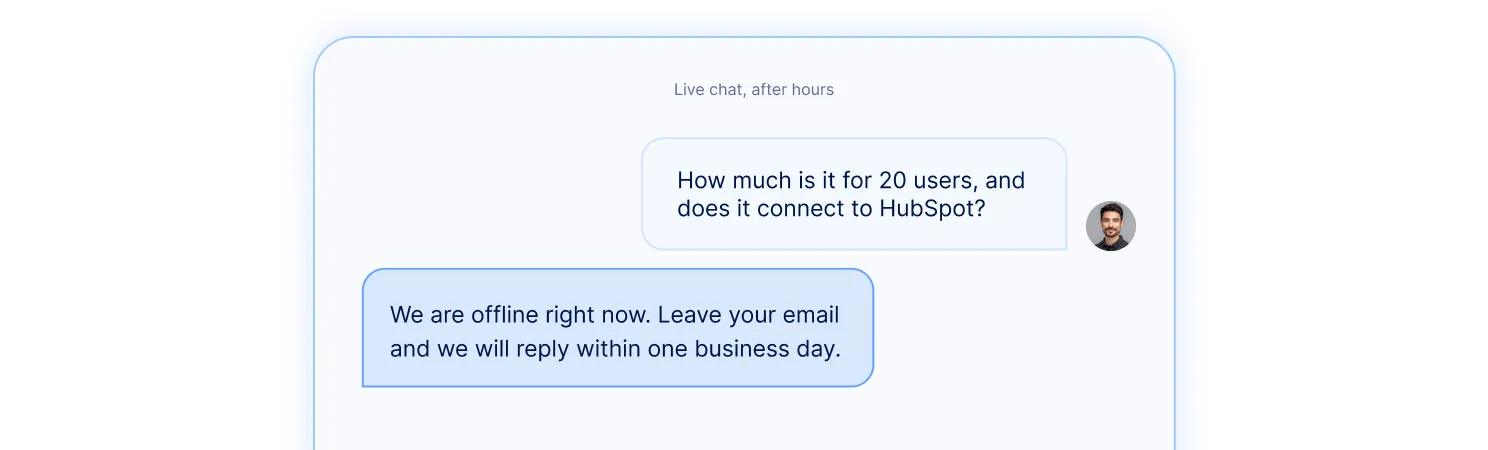
Most visitors will not leave an email. They will open a competitor’s tab instead.
With an AI chatbot
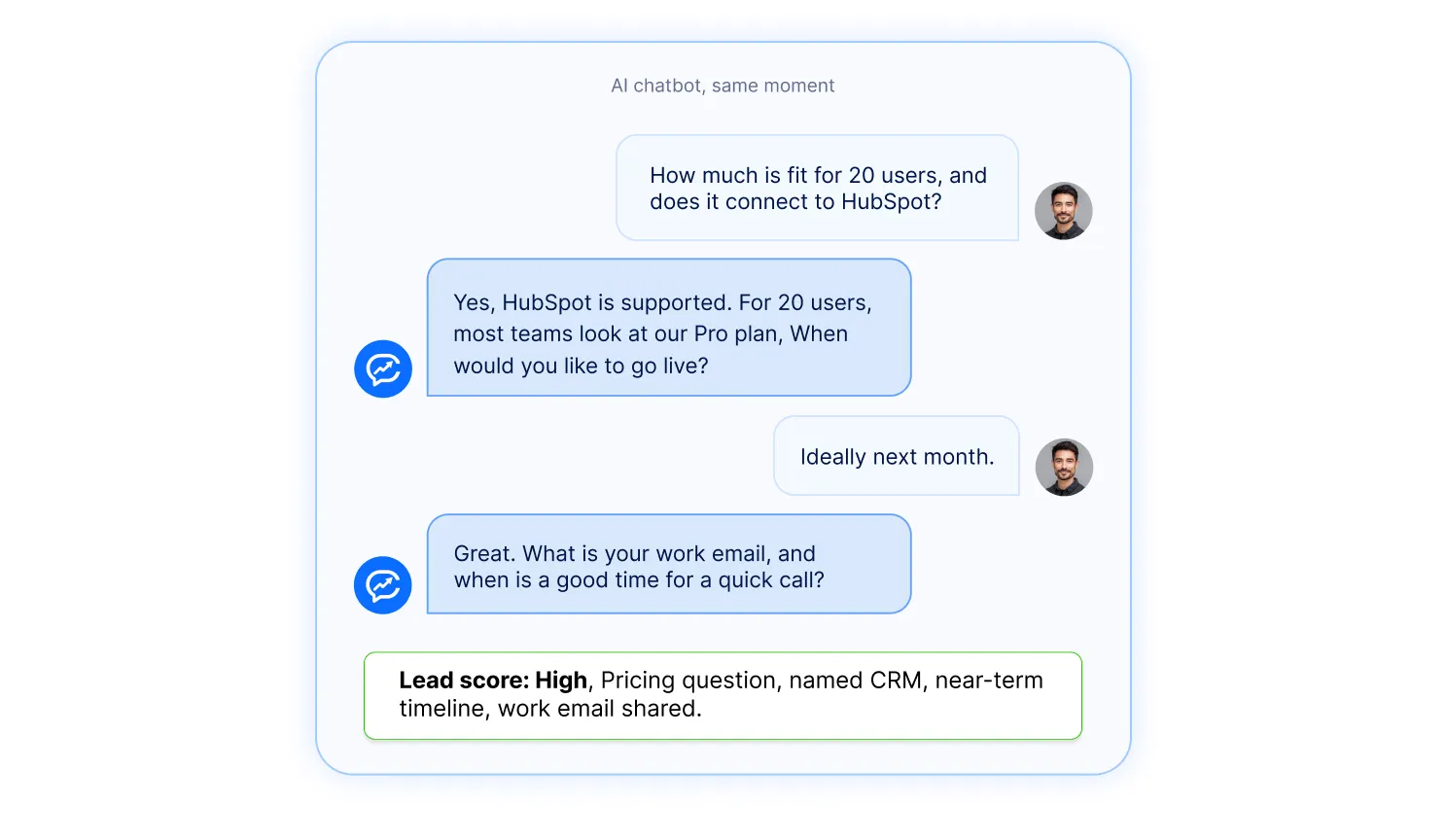
Same question, very different result. The AI answered, learned the timeline, captured the email and flagged the lead for your team.
Let’s turn the comparison into simple benefits, so you can see what each one gives you.
Benefits of an AI chatbot
You get always-on coverage, instant replies, steady answers and automatic scoring. Costs stay predictable as traffic grows. You also get a full chat record for every lead.
Benefits of live chat
You get warmth, judgment and the ability to handle surprises. People can build rapport and close complex deals.
Benefits of using both
You get the speed of AI and the trust of people. Reps spend time only on leads that are ready, instead of answering the same five questions all day.
Answer these questions honestly. They will point you in the right direction.
✔ Do you get visitors outside working hours or from other time zones?
✔ Can you staff chat during every busy period?
✔ Are most visitor questions repeatable, like pricing and features?
✔ Do your deals need a person for trust or negotiation?
✔ Do you need lead scores and CRM sync without extra manual work?
✔ Can your budget support more staff hours as traffic grows?
If you answered yes to the first, third and fifth, AI should lead. If you answered yes to the fourth, keep people ready to step in.
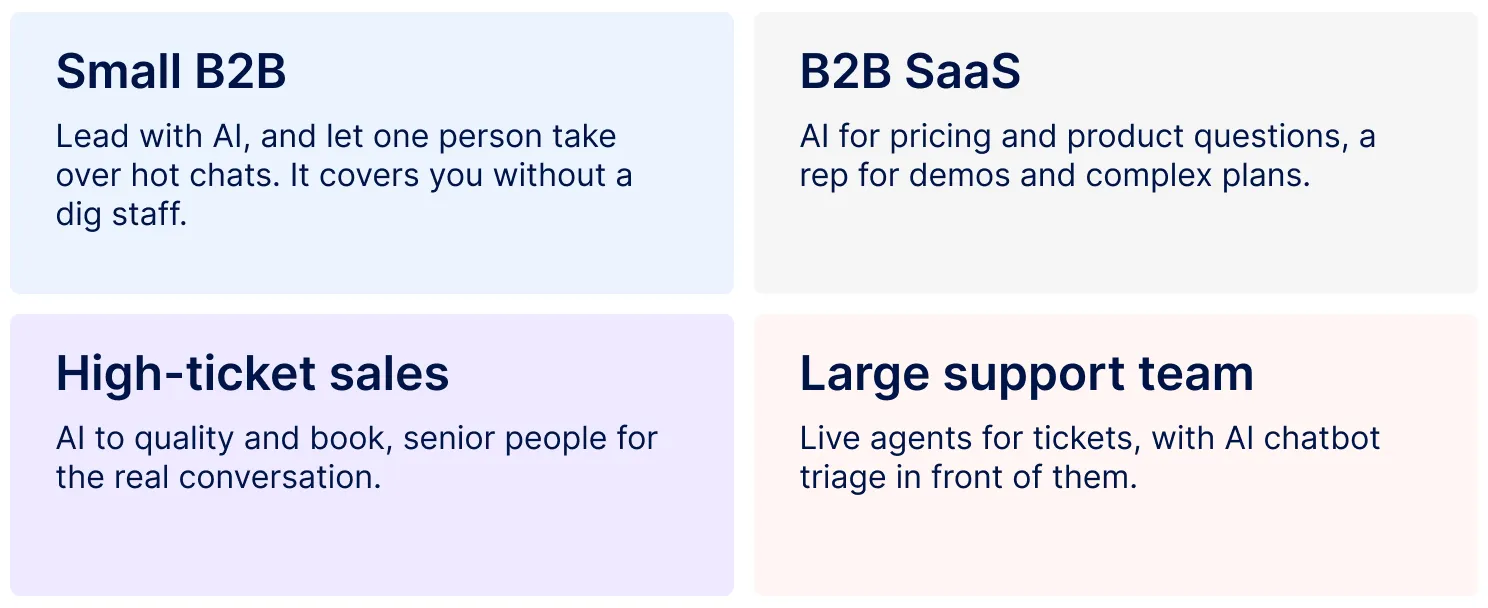
Trust is the biggest worry teams have about AI. The fix is simple honesty. Tell visitors they are chatting with AI, answer from your own approved content, and give people a clear way to reach a person.
Also be careful with privacy. Link your privacy policy, ask only for details you need, and use a cookie consent popup where your region requires it. Trust is easier to keep than to win back.
Days 1 and 2: decide what a good lead is
Write down your ideal customer, budget signals and disqualifiers. Add “hot keywords” such as “book a demo” so the AI knows what readiness sounds like.
Days 3 and 4: train the AI
Let it learn from your site, add PDFs, and write exact answers for your most important questions. Turn off pages it should not use.
Day 5: choose who takes over
Pick the people who will step into hot chats and set alerts through email or Slack. Agree on a target reply time.
Weekend and beyond: launch and learn
Go live with one script tag. Read real chats every week and fix weak answers. Our how it works page shows the full process.
Showing live chat with nobody online
An unanswered chat box hurts trust more than having none. If you cannot staff it, do not promise “chat with us now.”
Pretending the bot is a person
Be open that visitors are talking to AI, and make it easy to reach a human. People forgive a bot. They do not forgive feeling tricked.
Asking too many questions
Help first, then ask. A few well-timed questions beat a long interview.
No handoff plan
Decide who takes over a chat, how fast, and what context they see. A slow handoff wastes the AI’s good work.
Only counting chats
More chats do not mean more sales. Count qualified leads and meetings. Our leads dashboard shows scores, source pages and full chat history for this reason.
Compare both channels over the same period, on the same pages. Look at four numbers.
Qualified leads show how many chats become real prospects. Response time to hot leads shows how fast you act. Meetings booked shows real movement. Cost per qualified lead shows which channel is more efficient.
Fewer chats can be a good sign if more of them are ready to buy. See our case studies for examples of how B2B teams measured results.
If you must pick one for lead generation, AI is usually the stronger starting point. It covers every hour, answers in seconds and qualifies leads without extra staff. But if your deals are complex and high-value, plan for people to step in.
The best setup in the AI chatbot vs live chat question is rarely one or the other. It is AI first, human when it counts, with a clean handoff between them. Start small on your pricing and demo pages, watch real chats, and improve each week.
Sources
Tidio, “Live Chat Statistics”:tidio.com
Freshworks, “Live Chat Statistics”:freshworks.com
Harvard Business Review, “The Short Life of Online Sales Leads”:hbr.org
Corvexa product facts:Features,Pricing,Chat Sessions documentation andIntegrations.
| Written by the Corvexa Team. Our team has hands-on experience building and deploying AI lead capture and qualification for B2B websites across SaaS, fintech, logistics, healthcare tech, and professional services. About Corvexa |

FAQ
Live chat connects visitors with a real person, usually during working hours. An AI chatbot replies automatically, at any hour, using your business knowledge, and can qualify leads before a person steps in.
Neither wins every time. AI chatbots are better for speed, after-hours coverage and first-pass qualification. Live chat is better for complex, high-value conversations. Most B2B teams get the best results by combining both.
Not fully. It can handle first conversations, common questions and lead capture. People are still valuable for negotiation, complex needs and sensitive topics, so a handoff option matters.
Live chat cost grows with staff hours and volume. AI chatbots usually cost less per conversation, but pricing models differ, so compare cost per qualified lead, not just the monthly fee.
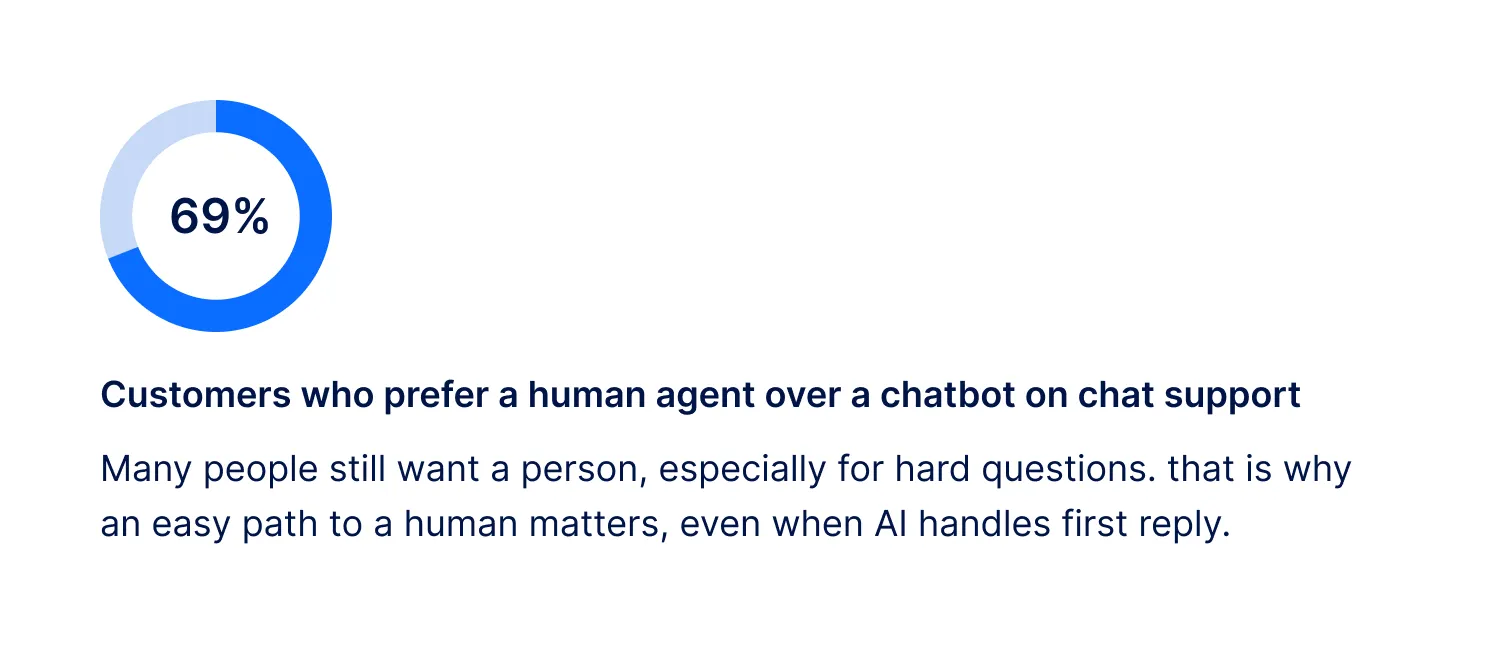
Surveys suggest many people still prefer a human for support. For quick answers and first contact, though, fast replies matter more. Being open that a visitor is talking to AI, with an easy way to reach a person, builds trust.
It is a setup where AI starts every conversation, scores the lead and answers common questions, and your team can take over a chat when a buyer is ready. Corvexa works this way with its Take over and Return to AI buttons.
Track qualified leads, meetings booked, response time to hot leads and cost per qualified lead for each channel over the same period.
 AI Chatbot vs Live Chat: Which Is Better for Website Lead Generation?

This guide compares eight AI chatbots for B2B websites on one measure: how well each one turns a website visitor...

Getting traffic to your website is no longer the biggest challenge. The real challenge is turning that traffic into actual...
A practical, evidence-based look at how AI chatbots for lead generation actually work, what they cost, and the specific things...